9
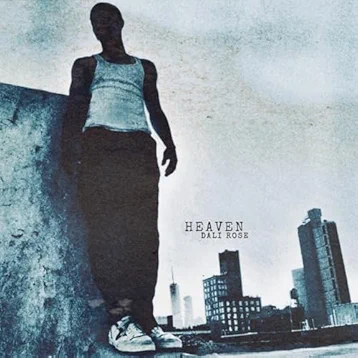
Heaven
Dali Rose
Some records fall like a tree in the woods, others strike like a lightning bolt. Dali Rose’s Heaven settles in like the fog of euphoric drug — slowly, warmly, washing over you like cascading waves of pleasure. With only seven tracks, the project is compact. It unfolds like someone recounting their life, rich with texture, layered with emotion, and heavy with emotion. The warm, soul-stained meditation on heartbreak, addiction, and self-worth slips beneath your skin and whispers to the essence of life.
Before Heaven, Dali Rose — real name Drake Hunt — was already carrying a legacy. The son of Grammy-winning R&B artist Van Hunt, he grew up around the kind of music that seeps into your marrow: Sly Stone, Nina Simone, The Ohio Players. But Dali’s musical world extends further, stretching toward the jazz-laced grit of King Krule, the warped introspection of Earl Sweatshirt, and the faded melancholy of Mac Miller. That combination of lineage and taste becomes his foundation.
The EP opens with “Big Bear,” a tale of bruised pride and quiet desperation. “Ain’t no love for the big bear… with the marks all over his face,” he sings, his voice weathered but unwavering. There’s something elegiac in the way the song unfolds — slow, deliberate, almost resigned. But the real heartbreak sneaks in later, when he pleads, “Mama, let me out of this cage.” The track plays like a confession whispered into a church pew after the lights have dimmed — reverent, raw, and aching for redemption.
That search for light in the dark winds through every corner of Heaven. On “Death and Taxes,” Dali pivots into more experimental territory, dropping in a Prince-like guitar solo that cuts through the track just after he confesses, “If you’re wondering if I have a heart — I do. I
bleed too.” But just as the energy builds, the song abruptly shifts. The beat falls away, giving way to a lo-fi interlude that sounds like someone loading a tape deck — complete with warm fuzz and warped vocals, as if the song itself is being played back through a dusty old stereo.
“Sumthin to Someone” may be the EP’s emotional center. Over a sparse, piano-laced backdrop, he repeats a single line: “Hope I mean sumthin to someone.” At first it’s hopeful. Then uncertain. Then nearly defeated. Deceptively simple but lands like a gut punch. Only at the end does he admit, “I’m trynna be something to you,” revealing the song was never meant for the world — it was always a message to one person, trembling in its honesty.
Dali paints one of the EP’s most vivid scenes with “Run on Home”: a crowded room, a hush, then the soft swell of keys. You can almost see him at the piano as heads turn and conversations fade, the air shifting with the first few notes. The background chatter melts into a rising choir and a haunting refrain — “This ain’t really whatcha meant for.” The song swells with layered vocals and gospel harmonies, building toward something vast and spiritual. Then, just as it crests, he lets it collapse. What follows feels like an epilogue — an end-credits scene flickering back to life from a fading memory, the familiar refrain returning, this time slowed down, distorted, and heavy with emotion.
The title track, Heaven, also acts as a thematic bookend. It opens the way “Run on Home” ends, waking from a dream, with his voice dragging itself out of static and into something clearer. There’s a delicate balance of beauty and dread here, especially as he warns, “Don’t you stare at the sun.” With heaven traditionally being upward, the lyric feels layered: is he warning against false idols, against getting too close to something that’ll blind you? Or is it a reminder not to get burned by hope?
What makes Heaven remarkable isn’t just the songwriting, though it’s sharp and poetic, or the production, though it’s gorgeously textured. It’s Dali Rose’s ability to piece his music together like scenes in a play. Many songs feel like they contain two acts — a fade-out followed by something entirely new. He uses silence, distortion, and sound design like a jazz musician uses pauses: with intention, with feel, with deep understanding. There’s a church-like atmosphere in the background vocals and piano, but it’s a cracked church,
stained with memory and smoke and longing.
In just seven tracks, Dali Rose builds an entire world, one that’s lonely, hopeful, bruised, and glowing all at once. Heaven feels deeply human. It aches, it reaches, it remembers. And when the final notes fade, you’re not left with answers — just a feeling. Something quiet and lingering.
Order Heaven by Dali Rose HERE
Latest Reviews


Tracks
Related Albums
Related News



Advertisement
Join the Northern Transmissions insiders list
Sign up for reviews, interviews, news, videos, playlists — and more.