
9
Utopia
Gwenno
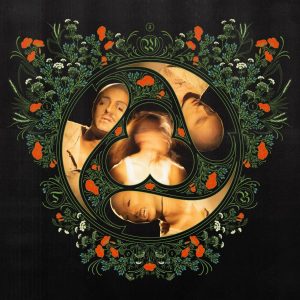
Utopia is the first album Gwenno Saunders has released entirely in English, and it also happens to be my first encounter with her music. Her voice is rich and creamy, smooth and alluring—like a thick, sweet wine. Each track glows with depth and clarity, drawing you in, in soft and subtle embrace.
The opening track, “London 1757,” starts with quiet acoustic strumming layered beneath ambient sounds of people living their lives, like children at a school, people chatting, and distant movement. It reminded me of a Monet painting. Up close, the brushstrokes are chaotic and indistinct, but the further back you stand, the more the image reveals itself. Gwenno’s approach invites you to step back and listen as her voice arrives peacefully, unfolding from the busy noise of life. It sets a tone for the rest of the album, where calm and chaos constantly brush against each other.
Gwenno has described Utopia as a record about failures, about accepting the lives we’ve lived and honoring the people we’ve been. She spent her teenage years dancing in Las Vegas nightclubs and techno halls, chasing something unnamed. “Dancing on Volcanoes” feels pulled straight from that time. A burst of guitar pop, it captures the flirtation with danger and the thrill of being young and untouchable. The line “you’ll ask me for a cigarette, but we don’t go out anymore” hits hard in its simplicity. Nostalgic and reverent.
Her ability to build complexity while making things sound effortless needs to be studied. Gwenno moves between genres as if she’s painting with different textures rather than instruments. The title track swells with orchestral layers. “Y Gath” takes a hard turn, ending in a chant-like phrase as if a Norse warrior is praying to Oden before walking into battle. “War” is slower and more melancholic. The song lingers with its haunting melody and pierces you with poetic lyrics.
On “73,” she leans into something jazzier, utilizing a rhythm that belongs to a cabaret stage, somewhere smoky and low-lit in Vegas. “I came to find the poet and I settled for the thief,” she sings, a line full of quiet disappointment and self-awareness. “The Devil” shifts into 80s territory, with its bright synths and staccato beats. It’s more polished than the rest, but still carries her distinct fingerprints.
“Hireth,” the final track. Written on harp instead of piano like the rest, it’s the most enchanting moment on the album. Her voice floats above delicate flutes, harp, and keys, as if carried by wind. The song is deeply rooted. It’s earthy and grounding. Closing out the album, you’re left still, almost paralyzed, but not empty. Just quiet.
Utopia is different from her previous work not just because of the language shift, but because of how it was made. Instead of starting electronically, Gwenno composed most of these songs on piano, recording live with her band in her living room. That choice gives Utopia organic warmth. The human touch is evident in how the instruments breathe together.
Pre-order Utopia by Gwenno HERE
Latest Reviews



Tracks
Related Albums



Related News


Advertisement
Join the Northern Transmissions insiders list
Sign up for reviews, interviews, news, videos, playlists — and more.